


Quick search
Advanced search
28 September 2026
New Report — RUSSIAN INTERFERENCE IN ARMENIA’S 2026 ELECTIONS: A Post-election Examination
Attached documents
RUSSIAN INTERFERENCE IN ARMENIA’S 2026 ELECTIONS A Post-election Examination
IPHR and The Helsinki Citizens’ Assembly Vanadzor Office are publishing their new report, RUSSIAN INTERFERENCE IN ARMENIA’S 2026 ELECTIONS: A Post-election Examination, examining the methods, actors, responses, and limits of the Russian interference campaign related to Armenia’s June 2026 parliamentary election.
Armenia’s June 2026 parliamentary election was the target of a sustained Russian interference campaign combining economic and diplomatic pressure, covert information manipulation, and reported attempts to influence voters through financial inducements and coercion. The evidence reviewed in this report points to an effort to strengthen political forces favourable to Moscow, weaken the government’s authority, and constrain Armenia’s ability to pursue closer relations with the European Union. Sustained pressure following election day indicates that the campaign’s objectives extended beyond the immediate electoral outcome.
Drawing on investigative reporting, election observation, digital investigations, and official statements, the report examines the methods employed, the actors implicated, the Armenian authorities’ response, and the limits of what can be established about the impact and intent of the Russian campaign. Four principal dimensions emerge:
- Economic and diplomatic coercion
- Sustained information manipulation
- Suspected manipulation of electoral participation
- Intimidation and challenges to electoral legitimacy
Evidence links several information operations in Armenia to Russian state structures, contractors, and associated media networks. Investigative reporting also identifies business and political intermediaries through which influence may have been exercised.
Armenian institutions, independent observers, journalists, and international partners took steps to expose and counter interference. These responses provided important elements of resilience, but concerns about selective enforcement, restrictions affecting opposition participation and changes to electoral rules underline the need for impartiality and effective oversight.
The findings of the report call for a sustained response across the electoral cycle. Priorities include:
- Impartial investigations into voter incentivisation and coercion;
- Stronger transparency in political finance;
- Protection for voters, observers, and journalists; and coordinated action against deceptive information networks;
- International partners should support independent scrutiny and reduce Armenia’s vulnerability to economic pressure;
- Technology providers should strengthen Armenian-language capacity and address manipulation across social media, hosting services, and emerging “AI” systems.
Read more
More news
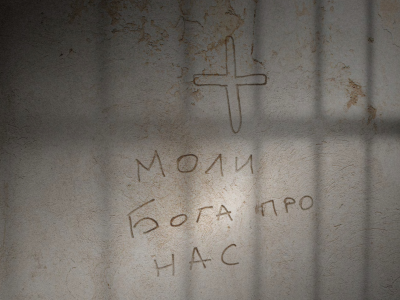
ЗБЕРЕЖІТЬ ДАТУ — Презентація звіту: ХТО ТВІЙ БОГ? Релігійний терор на тимчасово окупованих територіях
ХТО ТВІЙ БОГ? Релігійний терор на тимчасово окупованих територіях

Kazakhstan: Stop the Imminent Extradition of Yulia Emelyanova and Mansur Movlaev to Russia
Joint Statement - Stop the Imminent Extradition of Yulia Emelyanova and Mansur Movlaev to Russia
Subscribe to our updates
Please select the topic(s) on which you wish to receive news/updates from us